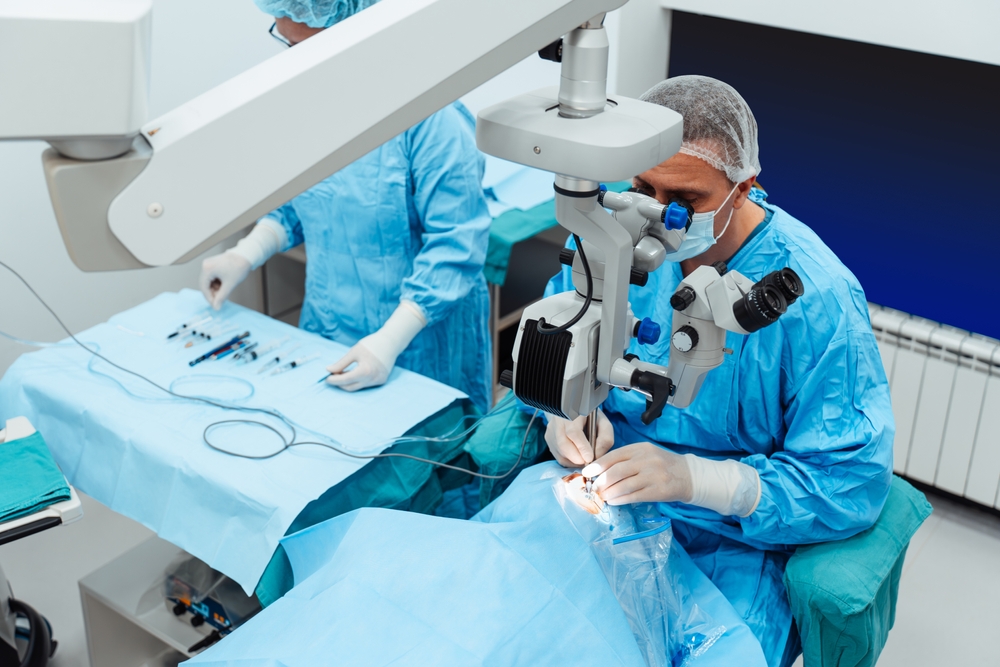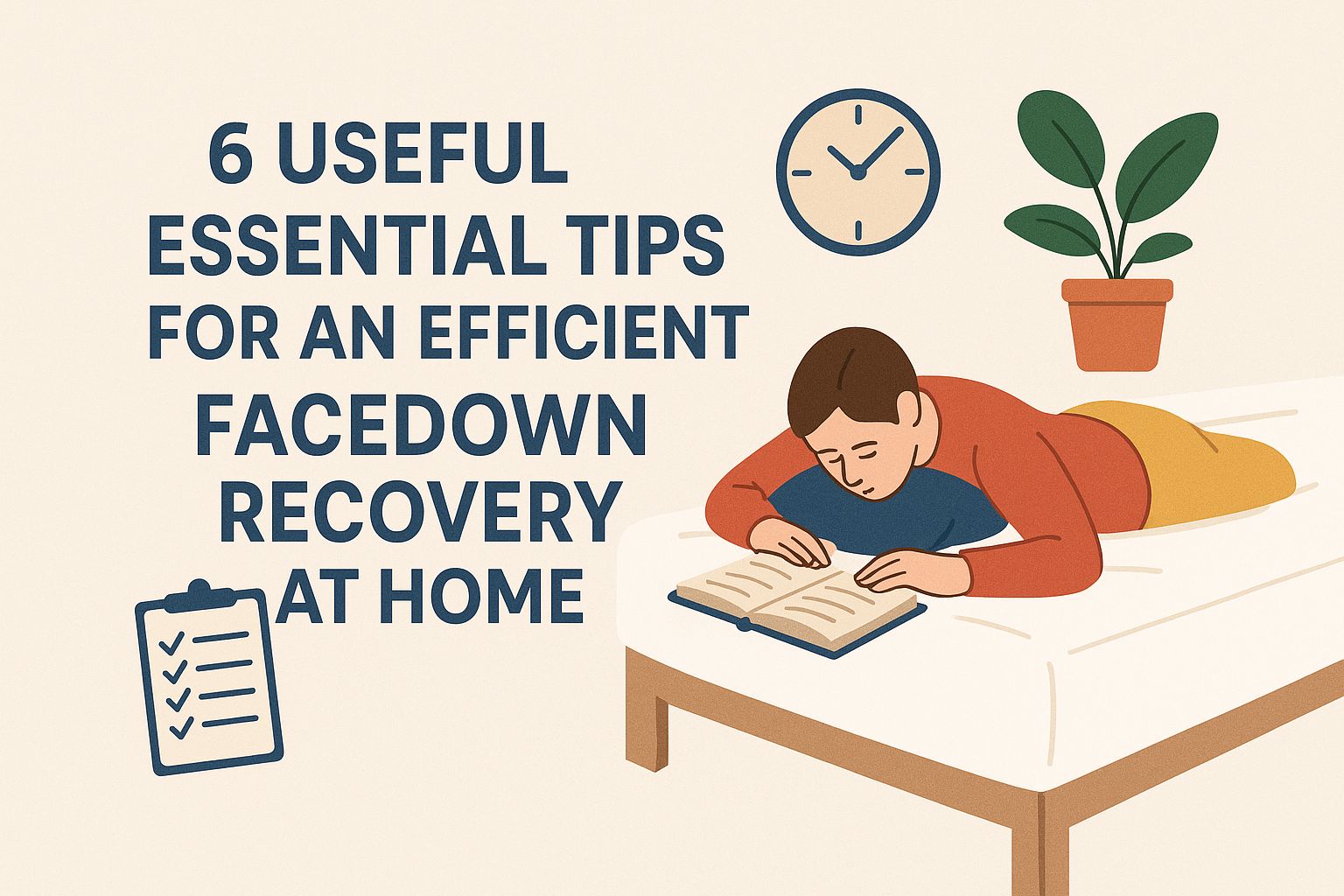
Recovering from vitrectomy surgery including retina detachment and macular hole repair can be challenging, especially when it comes to following specific guidelines like staying in the facedown position for long stretches. This facedown recovery process is crucial for healing but can feel overwhelming if you don’t have the right setup and support.
In this post, we’ll share ten essential tips to help make your face down recovery smoother and more comfortable. From creating the perfect setup for facedown recovery to spotting important signs to protect your eye health, we’ve got you covered. Ready to take the stress out of healing? Let’s dive in!
1. Positive Attitude – Believe in Your Recovery!
2. Proper Position – Stay Still and Focused
3. Pillows – Find Your Comfort Zone
4. Patience – Trust the Process
5. Perseverance – Stick with It Daily
6. Make a Strategy to Pass the Time
With the right tools, a bit of patience, and the support of loved ones, you can get through this. Every effort you put into following these steps is a step closer to successful healing. Here’s to a smooth and successful recovery!
If you have any additional questions or concerns about your recovery procedure, please contact the hospital listed below for guidance and support.
- Hamilton Regional Eye Institute
There you’ve gained a clear, step-by-step approach to support your retina detachment recovery with confidence. You’ve learned how important it is to stay positive, follow your doctor’s instructions, and commit to the facedown position with the right tools and setup. With practical tips on finding comfort, practicing patience, and filling your days with low-energy activities, you’re now better equipped to manage the recovery process. Taking these steps will help you stay on track, giving you the best chance at a successful, safe recovery and a full return to your everyday life.
Any additional questions about choosing the right equipment for a smooth recovery? or need more tips to help you through this process? feel free to reach out! We’re here to support you every step of the way, and our team is happy to provide personalized guidance to ensure you have everything you need for a successful recovery. Don’t hesitate to contact us at support@recovrentals.com or call us 519-702-6797 for advice or to explore equipment options tailored to your needs.

Frequently asked questions about
How do I stay positive during facedown recovery?
Remind yourself that every hour face down is working toward saving your vision. It feels long but it is temporary. Most patients say by day 3 or 4 they find their rhythm and it becomes manageable.
How strictly do I need to stay in the facedown position after vitrectomy?
Very strictly. Even short periods out of position can affect how well the gas bubble holds the retina in place. Follow your surgeon's instructions exactly — they know the specifics of your surgery and what your eye needs.
How do I pass the time during facedown recovery?
Audiobooks, podcasts, and music are the most popular choices since you can enjoy them completely face down. Patients who plan their entertainment ahead of surgery find recovery goes much faster than those who don't.
How often should I adjust my pillow setup during facedown recovery?
Every one to two hours. What feels fine in the morning usually needs adjusting by afternoon. Moving pillows around regularly prevents pressure points from building up and keeps you comfortable enough to stay in position.
Is it normal for vision to still be blurry after retinal detachment surgery?
Yes. Vision improvement after retinal detachment surgery is gradual — it can take weeks or even months to improve. The gas bubble causes blurriness while it is still present. Slow improvement does not mean something went wrong.
What is the hardest part of facedown recovery and how do I get through it?
The first 48 hours. Your body is adjusting, the position feels unnatural, and the reality of the recovery sets in all at once. Having your equipment set up before you arrive home, a caregiver nearby, and a plan for passing time makes those first two days significantly easier.
Do I need to avoid all physical activity during facedown recovery?
For the most part yes — especially anything that involves bending, lifting, or straining. Light activity like walking short distances is usually fine but always follow your surgeon's specific instructions. When in doubt, rest face down.