If your surgeon just told you that you need face down recovery after macular hole surgery, you probably have a lot of questions and not enough answers. This guide is written to fill that gap — so you know exactly what to expect, why positioning matters, and how to get through recovery as comfortably as possible.
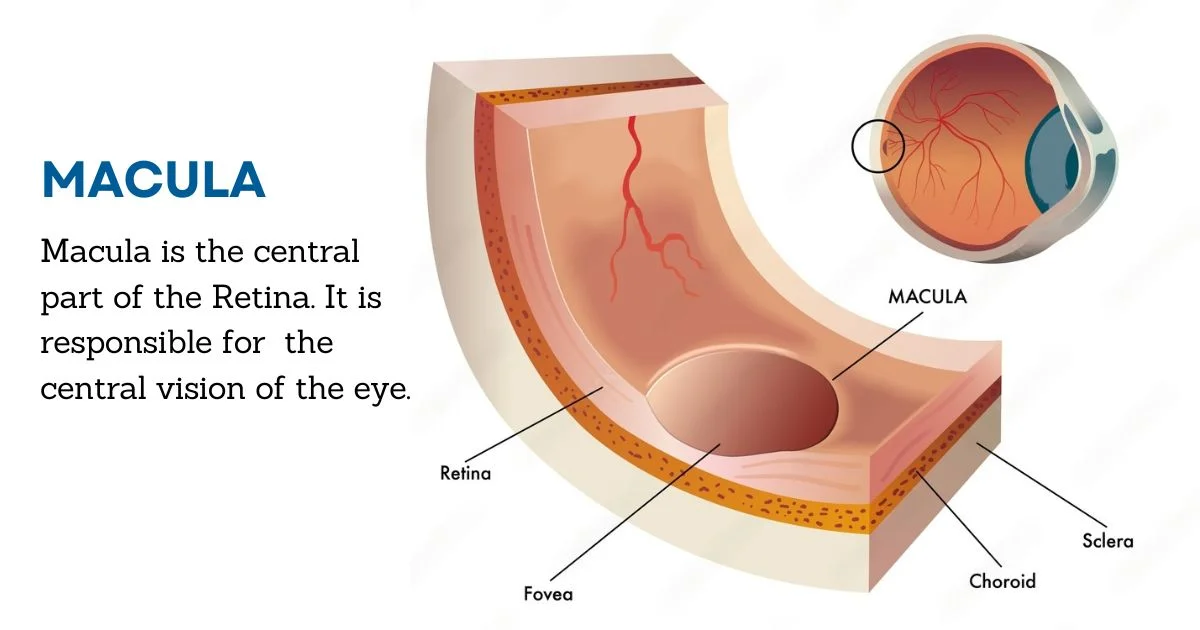
The macula is the small central area of your retina responsible for sharp, detailed vision — the kind you use for reading, recognizing faces, and seeing fine detail. A macular hole is a small break or opening that develops in this area, usually caused by age-related changes in the vitreous gel inside your eye.
When the vitreous gel pulls away from the retina as we age, it can sometimes tug on the macula and create a hole. The result is blurred or distorted central vision — often described as a dark spot or wavy area in the centre of what you see.
Left untreated, a macular hole can worsen and lead to permanent vision loss in that eye.
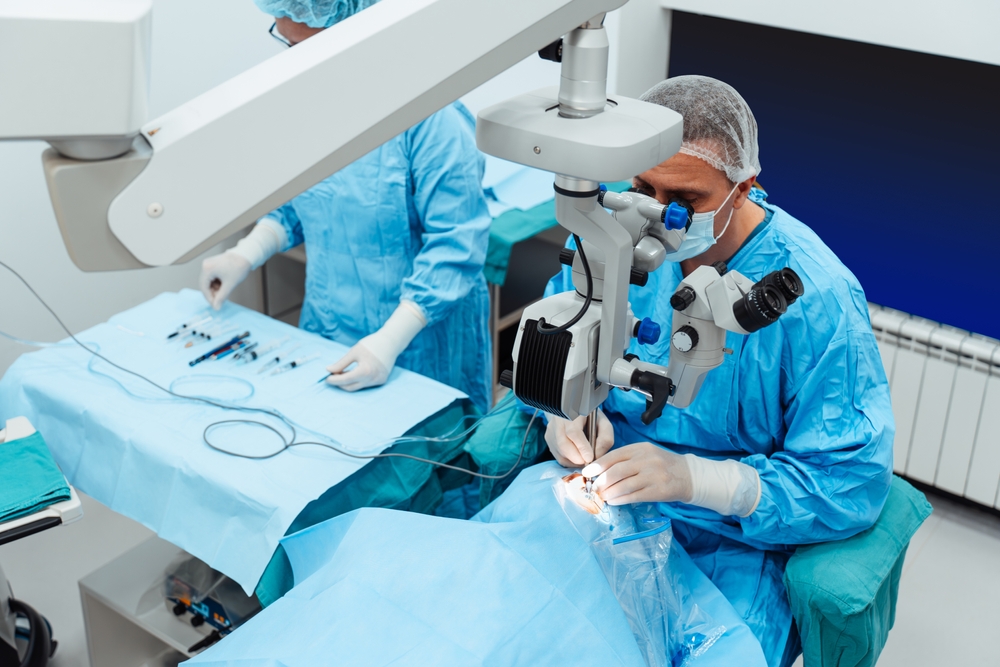
The surgical procedure used to repair a macular hole is called a vitrectomy. Your surgeon removes the vitreous gel from inside your eye and carefully peels away a thin membrane on the surface of the retina to release tension around the hole. A gas bubble is then injected into the eye to hold the macula in place while it heals.
The surgeons at the Ivey Eye Institute at St. Joseph's Hospital in London, Ontario — including Dr. Iqbal, Dr. Anderson, Dr. Sheidow, Dr. Juncal, and Dr. Park — perform this procedure regularly and are among the most experienced retinal surgeons in Western Ontario.
The gas bubble is what makes face down positioning essential.
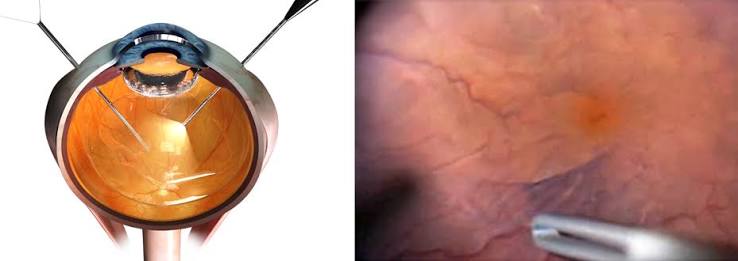
After your vitrectomy, the gas bubble your surgeon placed inside your eye needs to float upward and press gently against the macula — holding the edges of the hole together so they can seal.
For this to work, your face must be pointing downward so the bubble rises to the back of the eye where the macula sits. If you look up, lie on your back, or sit upright for extended periods, the bubble moves away from the macula and the hole cannot seal properly.
This is not optional. Maintaining proper face down positioning is the single most important thing you can do to give your eye the best chance of healing correctly the first time.
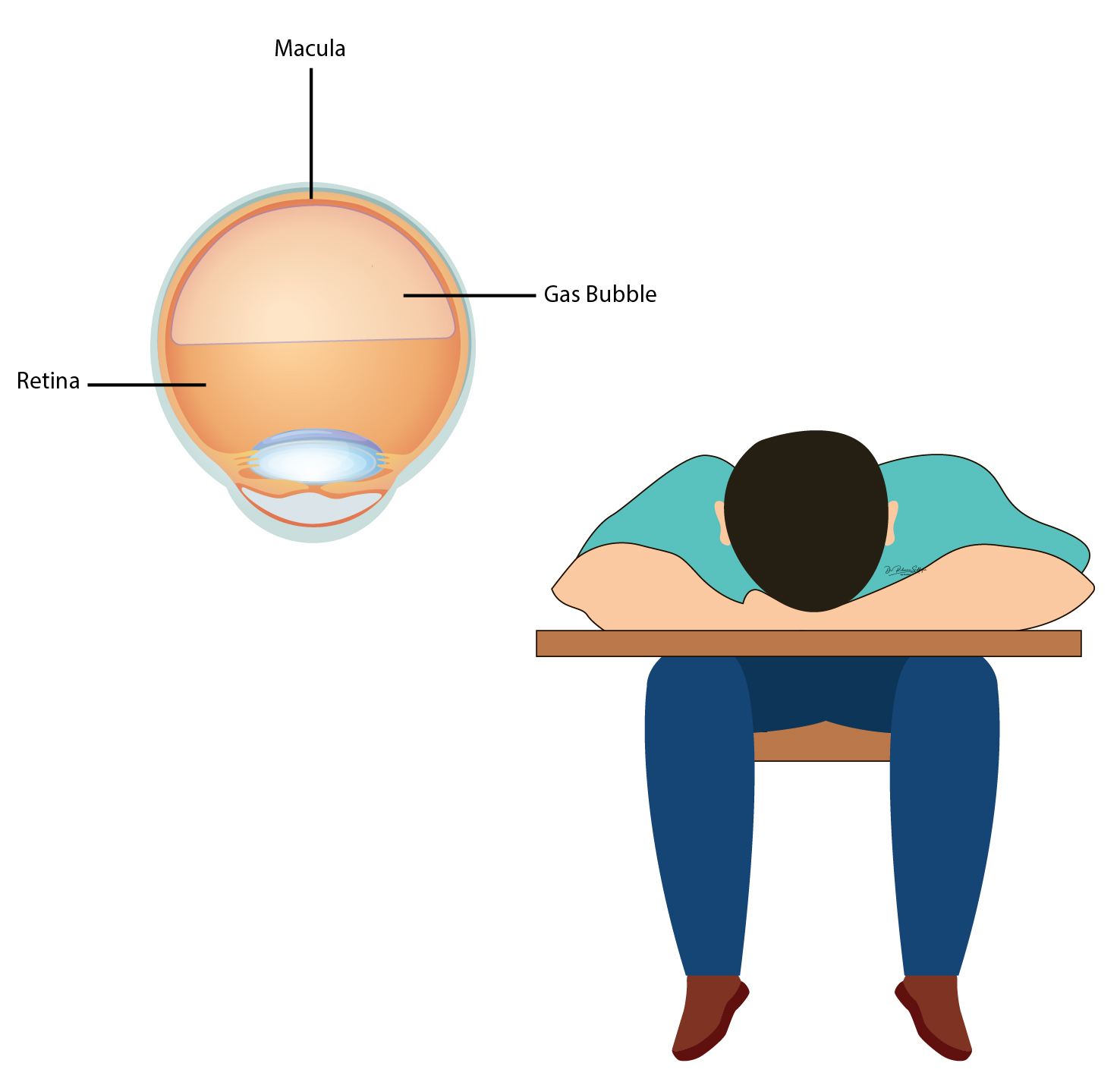
For macular hole repair, the minimum face down period is typically 7 days. However this varies depending on:
Your surgeon will assess your progress at your follow up appointment and advise whether additional face down time is needed. Some patients are prescribed 10 days or longer.
The key point is this — every hour you spend in proper face down position counts. Consistency throughout the full recovery period gives your macula the best environment to repair correctly.
Maintaining face down positioning for 7 to 10 days is physically and mentally demanding without the right equipment. The challenge is not just staying face down — it is staying face down comfortably enough to actually do it consistently, hour after hour, day after day.
This is where having multiple pieces of equipment makes a real difference.
Every patient is different. Some find the face down chair most comfortable for daytime hours. Others prefer the bed. Some spend most of their time on the portable seated support. Having options means you can switch when one position becomes uncomfortable — which is exactly what your body needs.
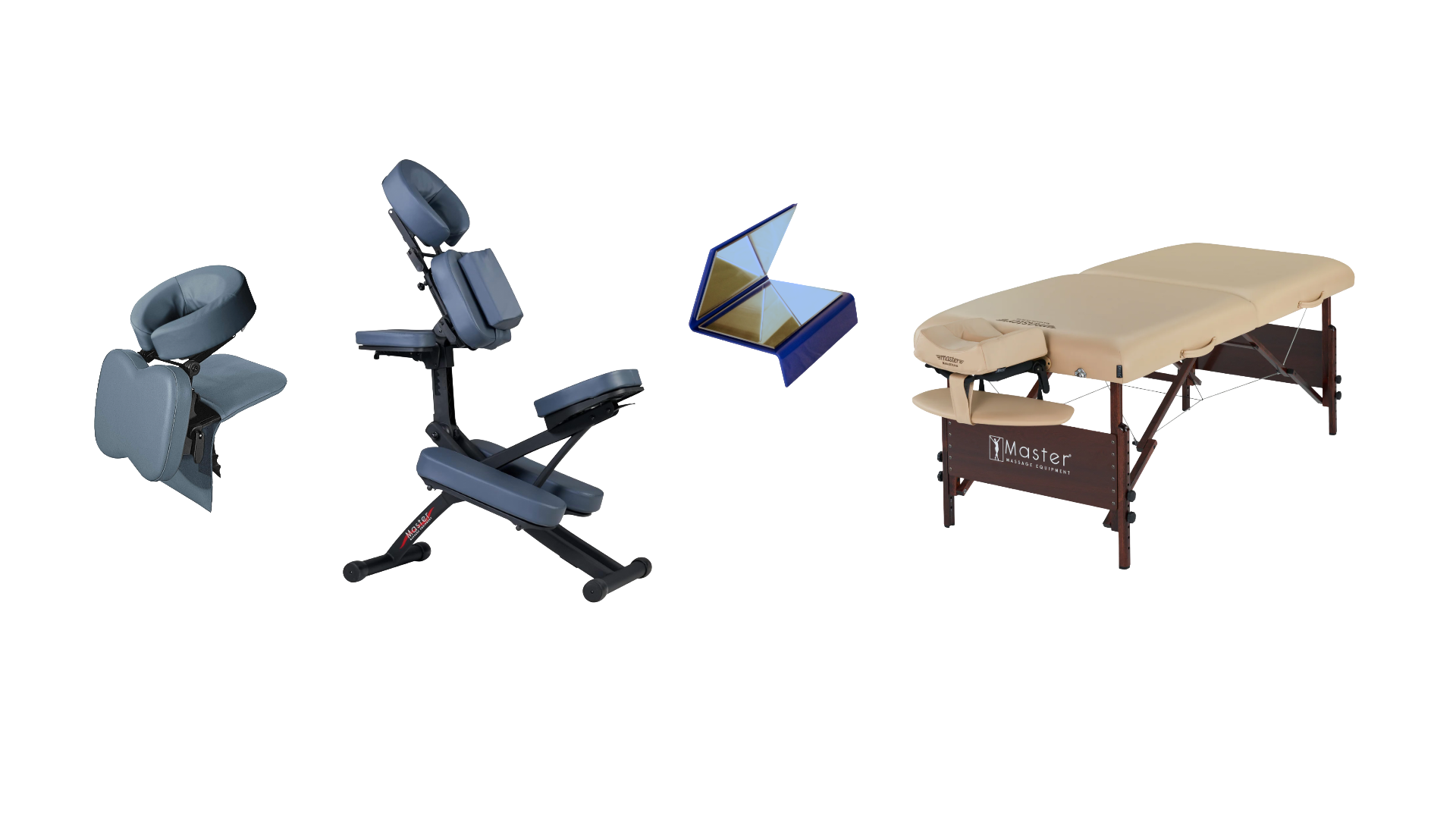
The RecovRentals complete set includes 4 medical-grade pieces:
Face Down Recovery Chair
An 8-stage adjustable chair that lets you sit comfortably while keeping your face down and fully supported. Most patients spend 60 to 70 percent of their day here — watching TV with the 2-way mirror, eating, reading, or simply passing time. Fully adjustable for different body types.
Face Down Recovery Bed
A medical-grade massage table that supports your body while you sleep face down. Quality sleep is critical to healing and nearly impossible without proper support. The bed allows you to rest comfortably while maintaining correct positioning through the night and during daytime naps.
2-Way Mirror
Attaches to your chair or bed so you can watch TV and stay connected with family while remaining face down. A simple addition that makes a significant difference to your mental wellbeing during recovery.
Portable Seated Support
You will be asked to stay face down right after surgery during your post-op.This device allows you to start right away.
-Use it in the car:Face down until you arrive home.
-Use at home:Place it on a table or counter. Lean forward and rest your head on the cushion.
Having all 4 pieces means you always have somewhere comfortable to go. You are never trapped in one position — and that variety is what makes the difference between a recovery you endure and one you actually get through.
Days 1 and 2 are typically the hardest. Your eye will be uncomfortable, your body is adjusting to the positioning demands, and the reality of the recovery sets in. This is normal. It passes.
Days 3 through 5 most patients find a rhythm. You learn which equipment works best for you, how to switch positions comfortably, and how to structure your day.
Days 6 through 7 and beyond the positioning becomes more familiar. Most patients report that by this stage they can see early signs of improvement in their vision — which provides significant motivation to keep going.
Throughout recovery:

Frequently asked questions about
How long do I need to be face down after macular hole surgery?
The minimum face down period for macular hole repair is typically 7 days. However the duration varies depending on the size of the hole and how quickly your eye heals. Some patients are prescribed 10 days or longer by their surgeon. Always follow the specific instructions given to you by your retinal surgeon as they know your individual case best.
What equipment do I need for macular hole recovery?
For macular hole recovery you need face down positioning equipment that allows you to maintain the required position comfortably for 7 to 10 days. The recommended setup includes a face down recovery chair for daytime use, a face down recovery bed for sleeping and resting, a 2-way mirror for watching TV, and a portable seated support for eating and socializing. Having multiple pieces allows you to switch positions throughout the day which is essential for comfort and consistency during recovery.
Can I rent face down recovery equipment in London Ontario?
Yes. RecovRentals provides same-day delivery and setup of medical-grade face down recovery equipment in London, Ontario and surrounding areas including Sarnia and SW Ontario. Equipment is hospital-grade cleaned before every rental and delivered and set up at your home by an equipment expert. Call 519-702-6797 to confirm availability.
Will my insurance cover face down recovery equipment rental?
Some extended health insurance plans cover face down recovery equipment rental. Success rates vary by provider but patients with Sun Life coverage have had the most success. To improve your chances ask your surgeon for a written prescription for face down recovery equipment and submit your claim with your rental receipt. Contact your insurance provider directly to confirm your coverage before your surgery date.
Why is face down positioning so important after macular hole surgery?
After macular hole surgery your surgeon places a gas bubble inside your eye. This bubble needs to float upward and press against the macula to hold the edges of the hole together while it heals. Face down positioning keeps the bubble in the correct location. If you look up or lie on your back the bubble moves away from the macula and the hole cannot seal properly. Consistent face down positioning throughout your prescribed recovery period gives your eye the best chance of healing correctly the first time.
What happens if I do not stay face down after macular hole surgery?
If face down positioning is not maintained consistently the gas bubble inside your eye moves away from the macula and loses contact with the area that needs to heal. This reduces the likelihood of the macular hole closing successfully and may require a second surgery. Following your surgeon's positioning instructions exactly is the most important factor in a successful outcome.
How do I sleep face down after macular hole surgery?
Sleeping face down is one of the most challenging parts of macular hole recovery. A face down recovery bed — essentially a medical-grade massage table with a face cradle — supports your body and head while you sleep in the required position. It allows you to rest comfortably through the night without straining your neck or back. Most patients set the bed up in their bedroom for overnight sleep and use the face down chair in a main living area during the day.
Can I watch TV during macular hole recovery?
Yes. A 2-way mirror attached to your face down chair or bed allows you to watch TV while maintaining the face down position. Most patients set their chair up facing the TV and use the mirror to see the screen while looking down. This is one of the most effective ways to pass time comfortably during recovery and is included in the RecovRentals complete equipment set.